



Serenity Home Transformations, LLC
Brian O'Geary
Hail Happens: Inspecting Your Roof and Siding for Damage
Mother Nature can be a real handful sometimes, and hailstorms are a prime example. Those seemingly harmless ice chunks can wreak havoc on your roof and siding, leaving you with a leaky mess if left unchecked. But fear not, fellow homeowner! By knowing what to look for, you can identify hail damage early and get things fixed before they become a major (and expensive) headache.
Safety First!
Before we delve into the nitty-gritty of hail damage inspection, remember: safety is paramount. Climbing onto your roof after a storm can be dangerous, especially if there's loose debris or structural damage. It's best to leave a thorough roof inspection to the professionals. However, there's plenty you can do from the ground and in your attic to assess the situation.
While the above points are a good starting point, there are some additional things to keep in mind:
Safety First!
Before we delve into the nitty-gritty of hail damage inspection, remember: safety is paramount. Climbing onto your roof after a storm can be dangerous, especially if there's loose debris or structural damage. It's best to leave a thorough roof inspection to the professionals. However, there's plenty you can do from the ground and in your attic to assess the situation.
Roof Inspection:
- The Big Picture: Start by taking a general look at your roof from the ground. Are there any missing shingles, or do some appear cracked, bruised, or dented? Asphalt shingles, in particular, are susceptible to hail damage. Look for areas with a concentration of damage, as this might indicate the path of the hailstorm.
- Gutter Check: Your gutters are like the canary in the coal mine for hail damage. Dents, dings, and even small holes in your gutters can be a sign that your roof took a beating as well.
- Flashing Frenzy: Flashing is the thin metal used around roof valleys, chimneys, and vents. Hail can damage flashing, compromising its ability to keep water out. Look for any dents, cracks, or bends in the flashing.
- Attic Adventure (Be Cautious!): If you can safely access your attic, take a flashlight up with you. Look for signs of water leaks, like stains or dampness. You can also check the underside of your roof deck for any punctures or light peeking through – both signs of potential hail damage.
- Denting Disaster: Just like your roof, hail can dent your siding. Examine your siding for any dings, dents, or punctures. Pay close attention to areas that take the brunt of the weather, like soffits and fascia boards.
- Crack Happens: Hail can also cause cracks in your siding, especially vinyl siding. These cracks can compromise the siding's ability to protect your home from the elements.
- Missing in Action: In severe hailstorms, you might even have some missing siding panels. This is a clear sign of significant damage and requires professional attention.
While the above points are a good starting point, there are some additional things to keep in mind:
- Size Matters: The size of the hail plays a big role in the type of damage you might see. Larger hailstones can cause more significant damage than smaller ones.
- Material Matters: Different roof and siding materials react differently to hail. Asphalt shingles and vinyl siding are more susceptible to hail damage than metal roofs or fiber cement siding.
- When in Doubt, Call a Pro: If you suspect hail damage, but aren't sure about the extent, it's always best to call a professional roofer or siding contractor for a proper inspection. They have the expertise to identify even minor damage and recommend the best course of action.
By following these tips, you can be your own hail damage detective and ensure your home stays protected. Remember, early detection is key! The sooner you address hail damage, the less likely you are to face major problems down the road.
Image by LoraPalner from Pixabay

Plan exterior remodeling projects in winter to secure early spring installation, avoid scheduling delays, and enjoy smoother timelines and better results.

Local window installation in Cedar Rapids, IA is easy with Serenity Home Transformations LLC. Call 319-826-4371 today for a consultation.
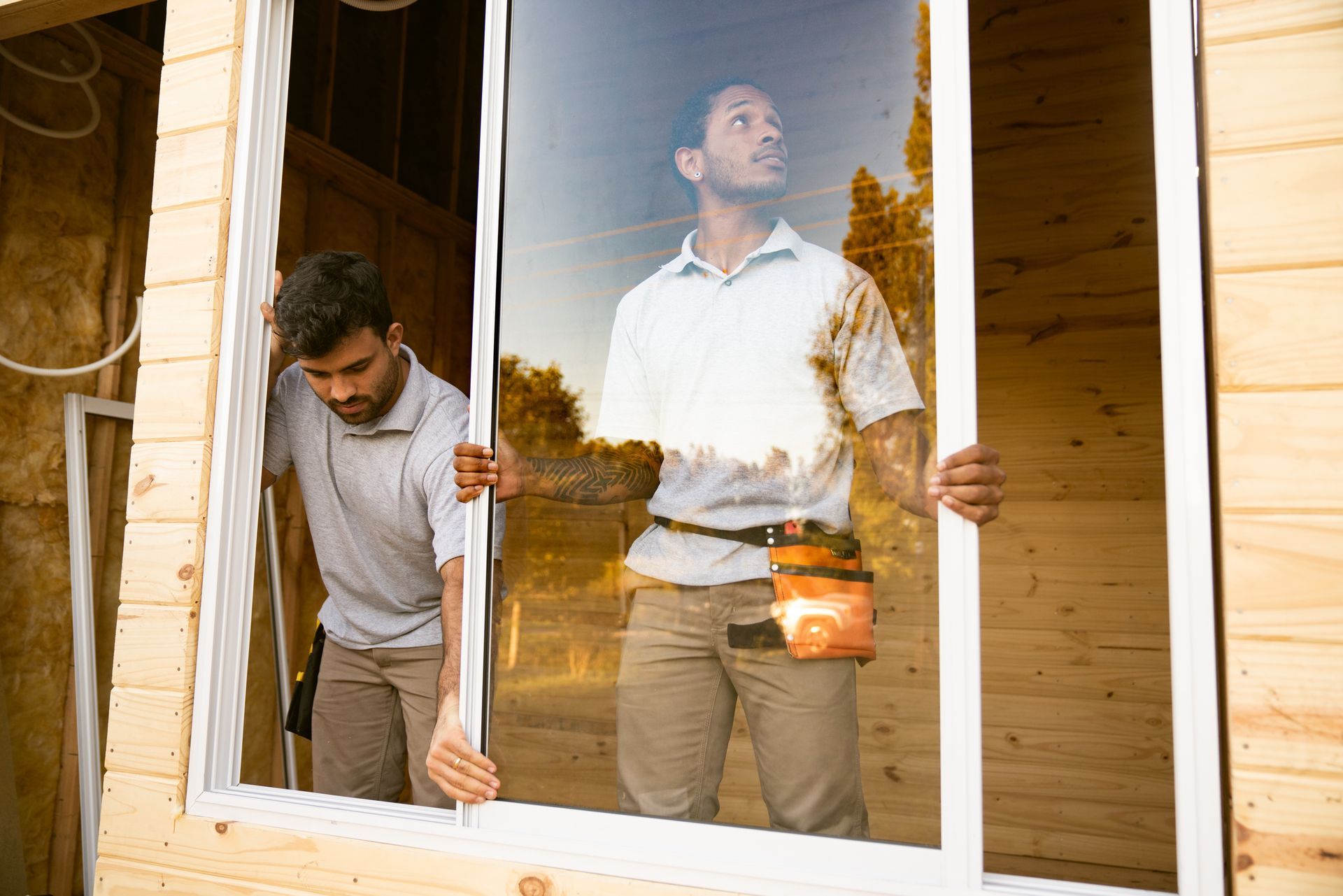
Save time and money with house window installation in Cedar Rapids, IA, from Serenity Home Transformations, LLC. Click here to learn benefits and tips today!

Choosing a handyman for window replacement can cost you later. Learn why certified contractors, proper installation, and real warranties protect your home and wallet in Iowa.

Cold snaps can cause major home damage in Iowa. Protect your siding, roof, and windows this winter with Serenity Home Transformations.

Stop putting off your new roof, siding, or windows! Lock in pricing, enjoy quick turnarounds, and explore 60-month no-interest financing today.
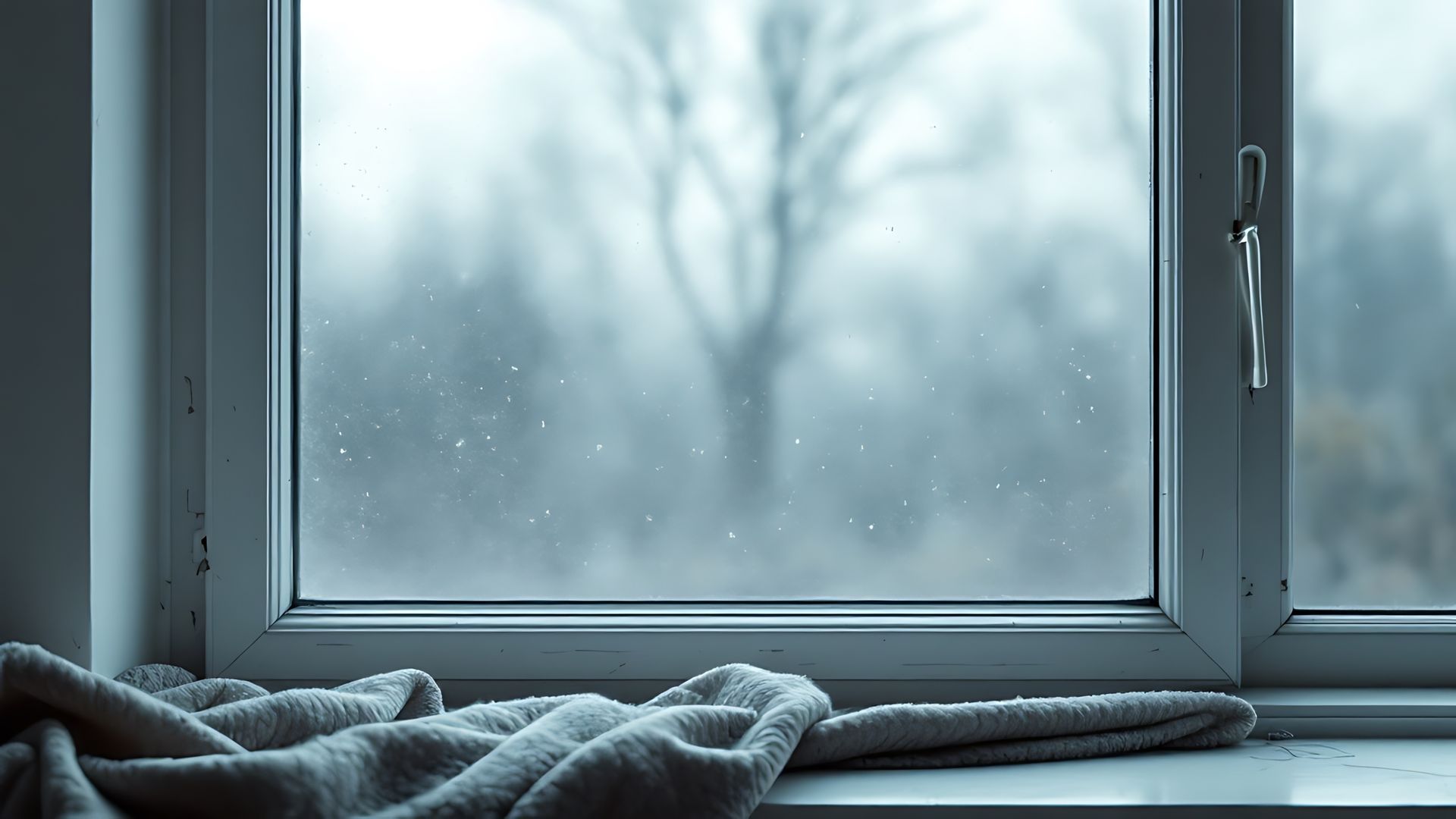
Feeling cold air coming through your windows? Serenity HT installs Energy Star® energy efficient windows in Iowa built for Cedar Rapids winters.

Need a local siding contractor in Cedar Rapids, IA? Call Serenity Home Transformations LLC at 319-826-4371 to schedule your free consultation today!

Upgrade your home before the holidays! Discover 5 exterior projects that improve curb appeal, comfort, and value just in time for winter.

Don’t wait until spring to start your home improvement project. Learn why fall is the smartest time to tackle siding, windows, or roofing.