


Serenity Home Transformations, LLC
Brian O'Geary
Signs Your Siding Needs Replacement: A Homeowner's Guide
Your home's siding
is more than just a decorative element; it serves as a protective barrier against the elements, insulating your home and preserving its structural integrity. Over time, however, siding can deteriorate due to age, weather exposure, and other factors. In this blog post, we'll explore key signs that indicate it may be time to replace your siding and why prompt action is essential for maintaining your home's beauty and functionality.
Visible Damage and Deterioration:
-Look for signs of visible damage such as cracks, warping, or holes in your siding. These can be indicators of water infiltration, insect infestation, or structural issues.
-Check for signs of rot or decay, particularly along the bottom edges or near areas prone to moisture accumulation, such as around gutters or downspouts.
-Pay attention to peeling paint or blistering on the surface of your siding, as these may indicate underlying issues with moisture penetration.
Mold, Mildew, or Fungus Growth:
-Keep an eye out for mold, mildew, or fungus growth on your siding, particularly in areas with poor ventilation or high humidity.
Mold and mildew can compromise indoor air quality and pose health risks to you and your family, making it crucial to address any signs of growth promptly.
High Energy Bills:
-Notice an increase in your energy bills? Poorly performing siding can compromise your home's insulation, allowing heat to escape during the winter and cool air to seep out during the summer.
-If you're experiencing drafty rooms or inconsistent indoor temperatures, your siding may be to blame. Upgrading to energy-efficient siding can help improve thermal performance and reduce energy costs.
Faded or Discolored Appearance:
-Over time, exposure to UV rays, weather elements, and pollutants can cause siding to fade or discolor, detracting from your home's curb appeal.
-If your siding has lost its vibrancy or appears significantly discolored, it may be time for a refresh to restore your home's aesthetic appeal.
Increased Maintenance Needs:
-Are you finding yourself spending more time and effort on siding maintenance and repairs? As siding ages, it may require frequent painting, caulking, or patching to maintain its appearance and functionality.
-Investing in new siding can reduce the need for ongoing maintenance and provide long-term peace of mind.
Conclusion:
Your home's siding plays a crucial role in protecting your investment and maintaining its beauty and functionality. By staying vigilant for signs of damage, deterioration, and performance issues, you can address potential problems proactively and ensure the longevity of your siding. If you've noticed any of the signs mentioned above, don't hesitate to reach out to our team for a professional assessment and personalized recommendations for siding replacement. Let's work together to keep your home looking its best for years to come!
Visible Damage and Deterioration:
-Look for signs of visible damage such as cracks, warping, or holes in your siding. These can be indicators of water infiltration, insect infestation, or structural issues.
-Check for signs of rot or decay, particularly along the bottom edges or near areas prone to moisture accumulation, such as around gutters or downspouts.
-Pay attention to peeling paint or blistering on the surface of your siding, as these may indicate underlying issues with moisture penetration.
Mold, Mildew, or Fungus Growth:
-Keep an eye out for mold, mildew, or fungus growth on your siding, particularly in areas with poor ventilation or high humidity.
Mold and mildew can compromise indoor air quality and pose health risks to you and your family, making it crucial to address any signs of growth promptly.
High Energy Bills:
-Notice an increase in your energy bills? Poorly performing siding can compromise your home's insulation, allowing heat to escape during the winter and cool air to seep out during the summer.
-If you're experiencing drafty rooms or inconsistent indoor temperatures, your siding may be to blame. Upgrading to energy-efficient siding can help improve thermal performance and reduce energy costs.
Faded or Discolored Appearance:
-Over time, exposure to UV rays, weather elements, and pollutants can cause siding to fade or discolor, detracting from your home's curb appeal.
-If your siding has lost its vibrancy or appears significantly discolored, it may be time for a refresh to restore your home's aesthetic appeal.
Increased Maintenance Needs:
-Are you finding yourself spending more time and effort on siding maintenance and repairs? As siding ages, it may require frequent painting, caulking, or patching to maintain its appearance and functionality.
-Investing in new siding can reduce the need for ongoing maintenance and provide long-term peace of mind.
Conclusion:
Your home's siding plays a crucial role in protecting your investment and maintaining its beauty and functionality. By staying vigilant for signs of damage, deterioration, and performance issues, you can address potential problems proactively and ensure the longevity of your siding. If you've noticed any of the signs mentioned above, don't hesitate to reach out to our team for a professional assessment and personalized recommendations for siding replacement. Let's work together to keep your home looking its best for years to come!
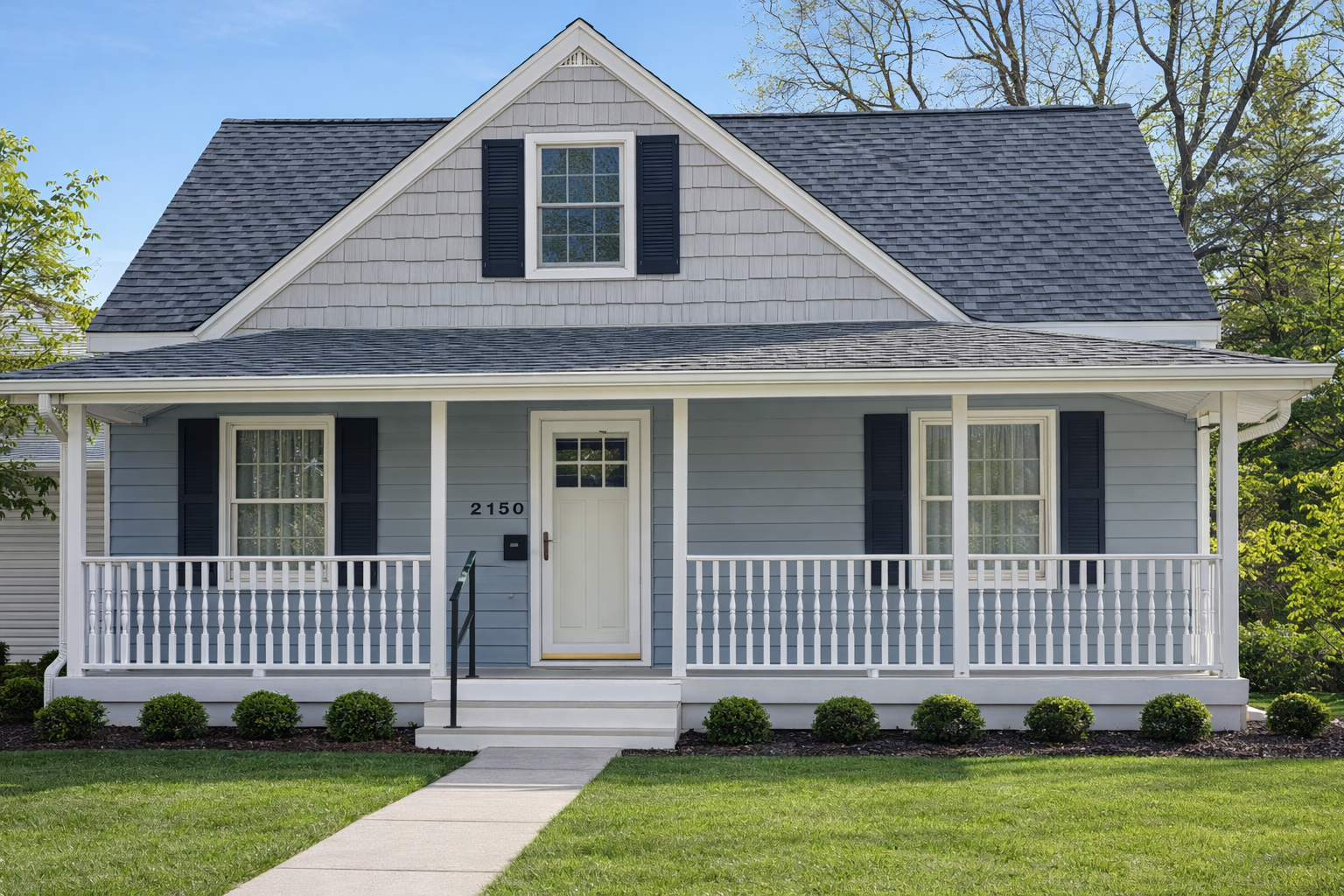
Plan exterior remodeling projects in winter to secure early spring installation, avoid scheduling delays, and enjoy smoother timelines and better results.
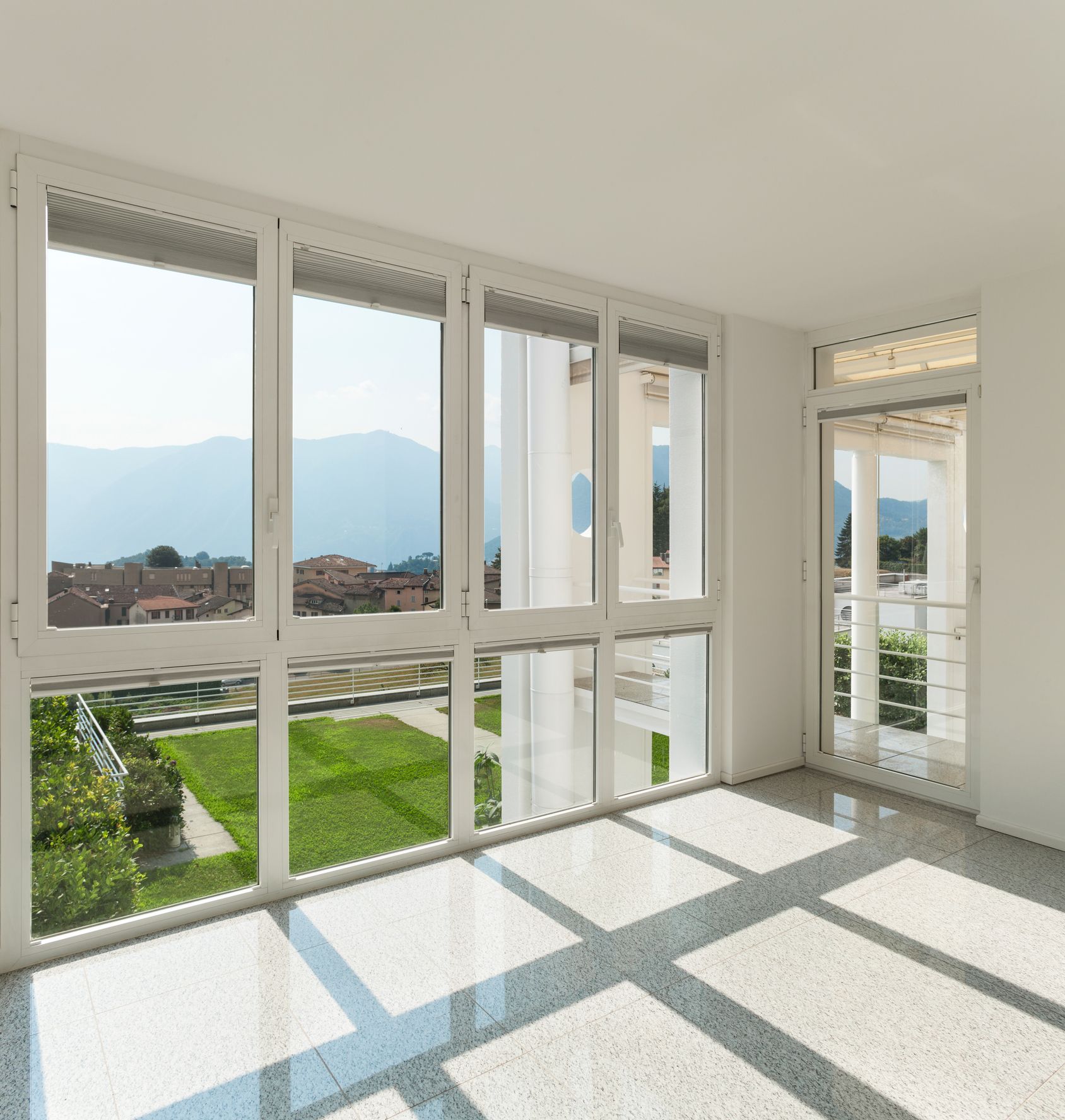
Local window installation in Cedar Rapids, IA is easy with Serenity Home Transformations LLC. Call 319-826-4371 today for a consultation.
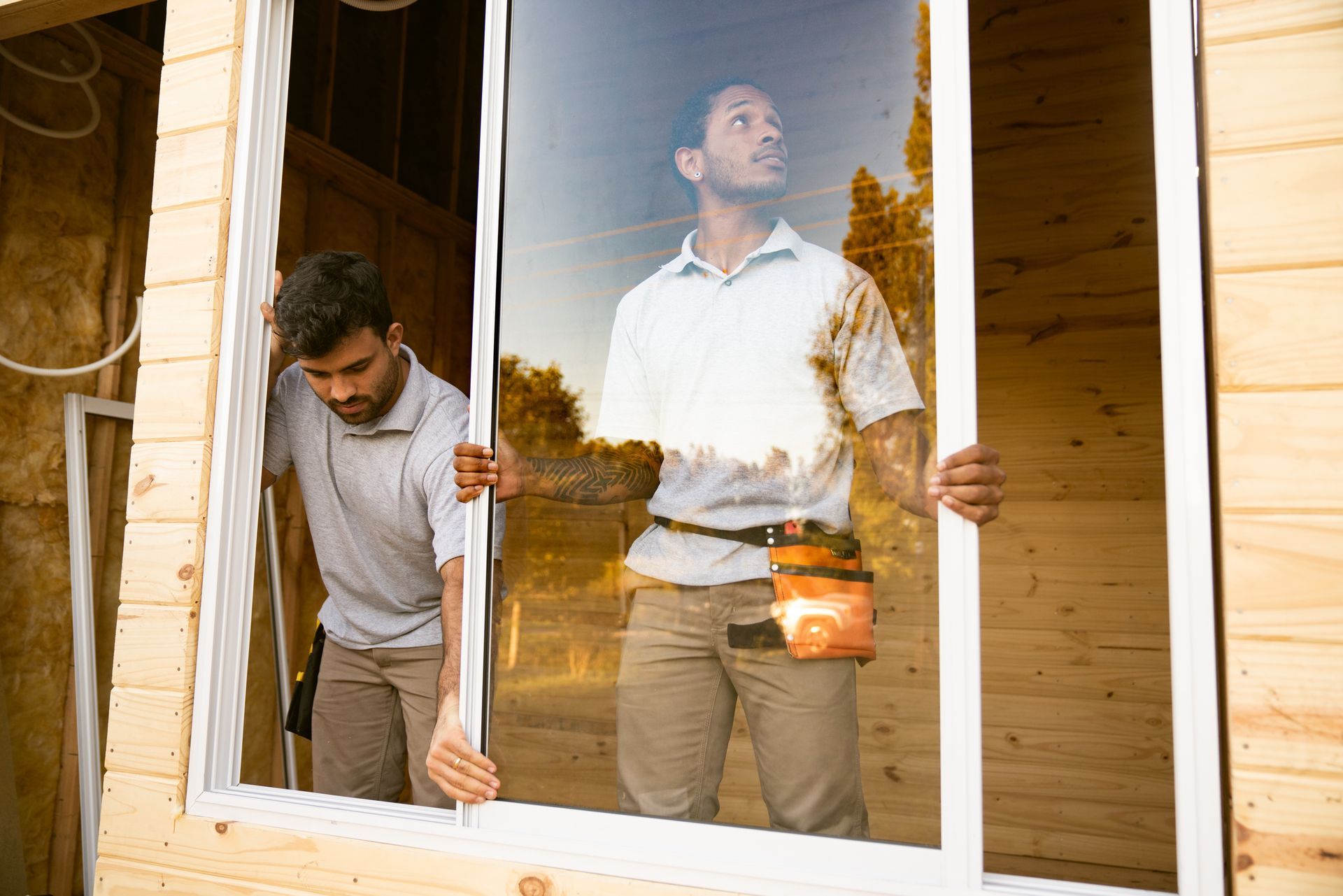
Save time and money with house window installation in Cedar Rapids, IA, from Serenity Home Transformations, LLC. Click here to learn benefits and tips today!
Choosing a handyman for window replacement can cost you later. Learn why certified contractors, proper installation, and real warranties protect your home and wallet in Iowa.
Cold snaps can cause major home damage in Iowa. Protect your siding, roof, and windows this winter with Serenity Home Transformations.

Stop putting off your new roof, siding, or windows! Lock in pricing, enjoy quick turnarounds, and explore 60-month no-interest financing today.
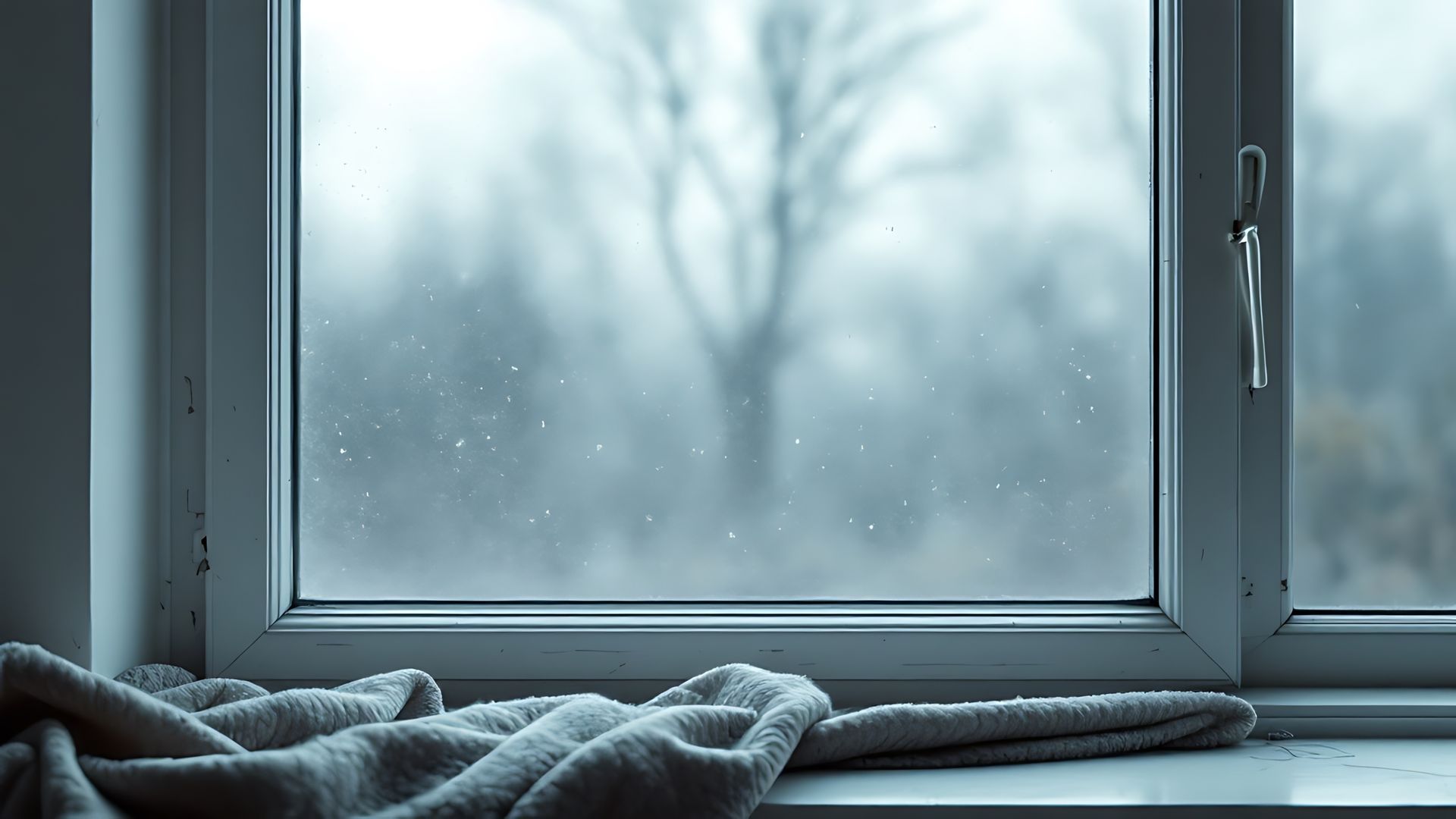
Feeling cold air coming through your windows? Serenity HT installs Energy Star® energy efficient windows in Iowa built for Cedar Rapids winters.
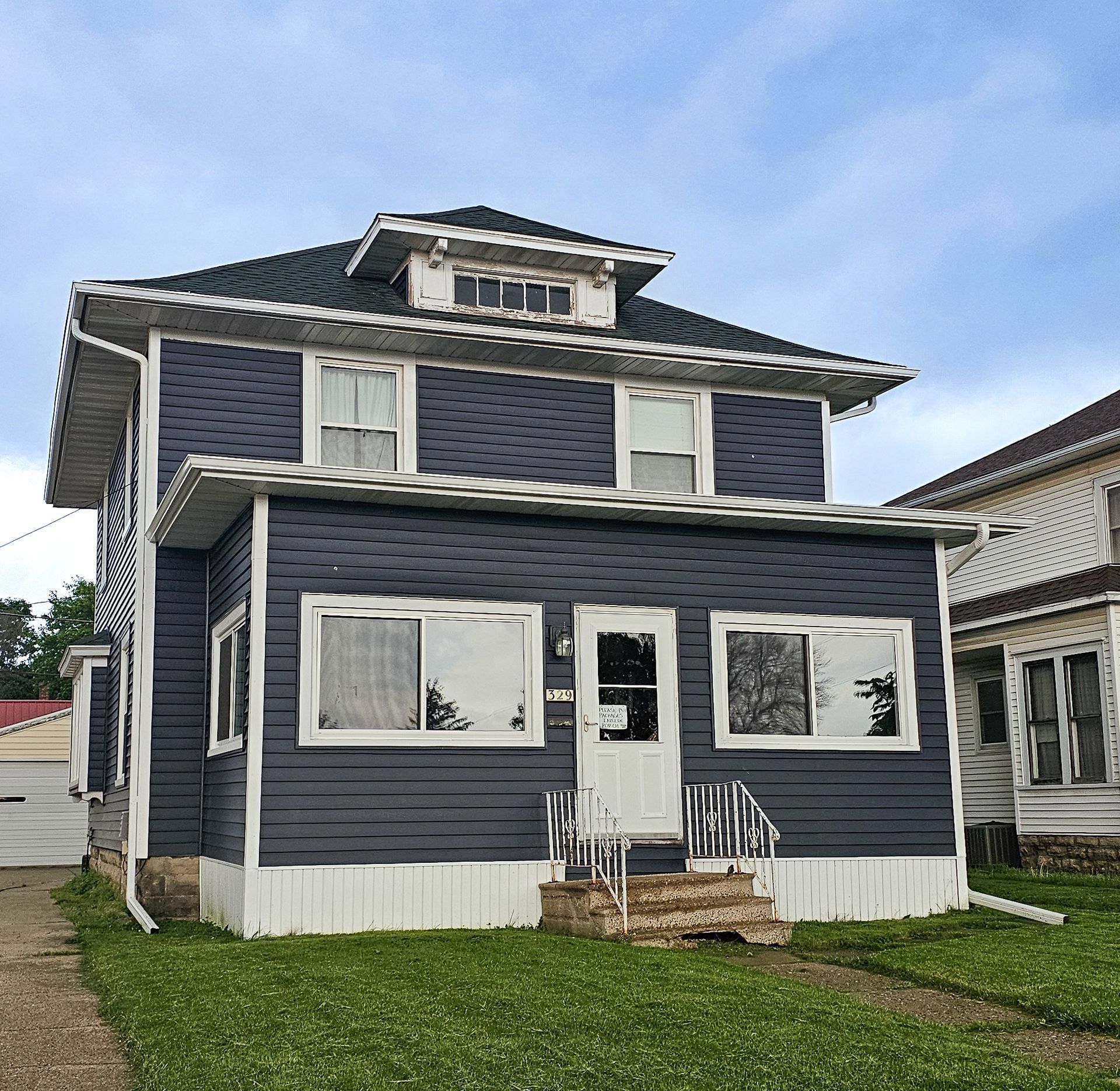
Need a local siding contractor in Cedar Rapids, IA? Call Serenity Home Transformations LLC at 319-826-4371 to schedule your free consultation today!
Upgrade your home before the holidays! Discover 5 exterior projects that improve curb appeal, comfort, and value just in time for winter.
Don’t wait until spring to start your home improvement project. Learn why fall is the smartest time to tackle siding, windows, or roofing.